

Carpet Drying Time: What to Expect After Cleaning
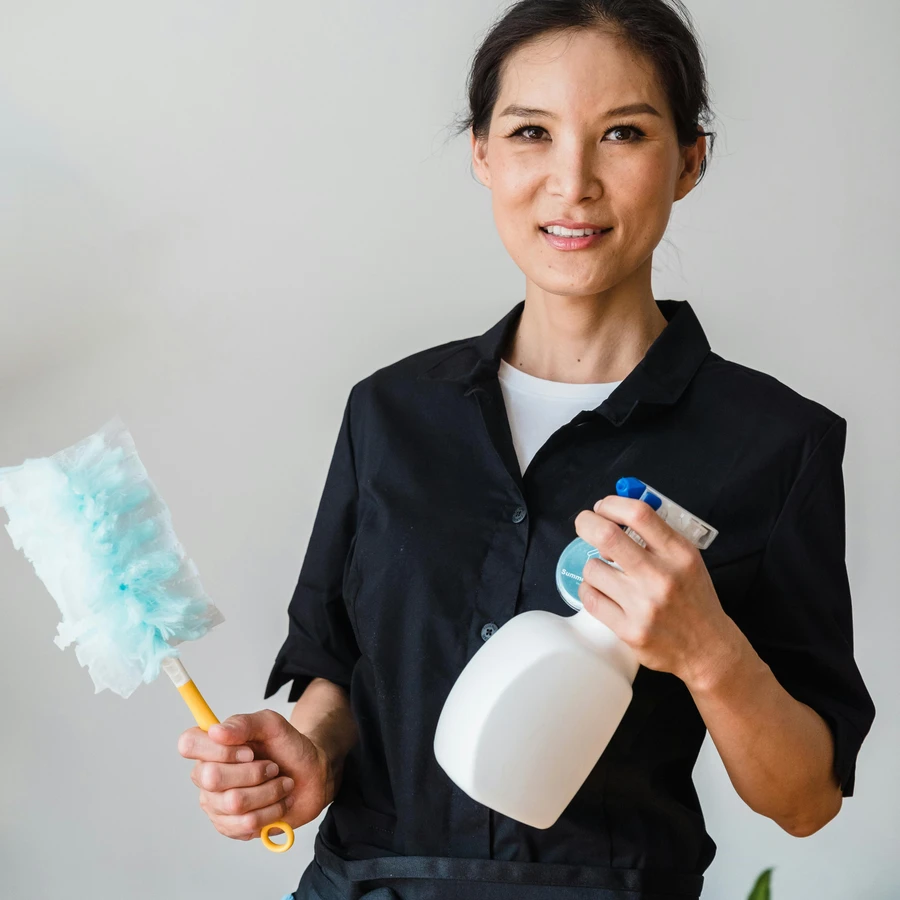
A freshly cleaned carpet should look better right away, but it should not feel completely dry the moment cleaning is finished. Carpet drying time can range from a few hours to a full day, depending on the cleaning method, the weather, airflow in the room, and the type of carpet in your home or business. Knowing what is normal helps you protect your floors, plan your day, and avoid walking on damp carpet too soon.
For Fremont-area homes and businesses, indoor conditions matter as much as the cleaning itself. A room with open windows, working ventilation, and good air movement will dry much faster than a closed room on a cool or humid day.
How Long Does Carpet Take to Dry?
Most professionally cleaned carpets dry in about 6 to 12 hours. In favorable conditions, low-moisture cleaning may leave carpet dry enough for light foot traffic in 2 to 6 hours. Deep hot-water extraction, commonly called steam cleaning, can take 12 to 24 hours when carpet is heavily soiled, thick, or exposed to limited airflow.
The goal is not to rush the process by overheating the room or using harsh shortcuts. The goal is to remove moisture steadily and completely so the carpet, backing, and padding can return to a comfortable, clean condition.
A carpet may feel dry on the surface before it is dry underneath. This is especially common with dense pile, large rugs, and carpet installed over thick padding. If it feels cool or damp when you press your hand firmly into it, give it more time before returning the room to normal use.
Typical Drying Times by Cleaning Method
Drying time depends first on how much moisture the cleaning process uses. Encapsulation and other low-moisture methods generally dry the fastest because they use less water. They can be a practical choice for offices, hallways, and spaces that need to reopen quickly.
Hot-water extraction provides a deeper rinse for many homes, rental turnovers, and heavily used commercial areas. Professional equipment removes a substantial amount of water during the service, but some moisture remains by design. This method usually needs more drying time, particularly when there are pet accidents, tracked-in soil, or stains that require extra treatment.
Dry cleaning methods can also dry quickly, but the best choice depends on the fiber type, soil level, manufacturer recommendations, and the result you need. A qualified cleaner should choose the method that makes sense for the carpet, not simply the method with the fastest drying claim.
What Affects Carpet Drying Time?
Several conditions can shorten or extend drying time. The most noticeable is humidity. When the air already holds a lot of moisture, water evaporates more slowly from the carpet. Rainy days, coastal moisture, and closed-up rooms can all add hours to the process.
Airflow is equally important. Moving air carries moisture away from the carpet surface, which is why ceiling fans, floor fans, and an active HVAC system are so helpful. A professional may use air movers after cleaning, especially in rooms with thick carpet or limited ventilation.
Carpet construction also matters. Thin, low-pile synthetic carpet tends to dry faster than plush, shag, wool, or densely woven styles. Large rooms with wall-to-wall carpet may take longer than a small bedroom, while carpet with a thick pad can retain moisture below the surface even after the fibers feel nearly dry.
Soil level affects the process as well. A carpet that needs a thorough rinse may require more water and additional extraction passes. That can add drying time, but it is often the better trade-off when the objective is a genuinely cleaner, fresher carpet rather than a quick surface refresh.
How to Help Carpet Dry Faster
The simplest step is to keep air moving. Turn on ceiling fans, set portable fans to circulate across the carpet, and run your heating or air-conditioning system as appropriate for the season. If outdoor air is drier than indoor air, opening windows can help. If it is rainy or humid outside, keep windows closed and rely on air conditioning or ventilation instead.
Try to keep pets, children, rolling chairs, and heavy furniture off the carpet until it is fully dry. Light, careful foot traffic may be necessary, but clean socks or shoe covers are best. Bare feet can transfer oils, while shoes may track in dirt from outside and leave marks on damp fibers.
Do not place plastic, rugs, storage bins, or furniture directly on wet carpet. These items trap moisture and can leave impressions or cause color transfer. If furniture was moved during cleaning, protective tabs or blocks should remain in place until both the furniture and carpet are dry.
For businesses, it helps to schedule carpet cleaning around lower-traffic hours whenever possible. An evening or weekend appointment gives offices, retail spaces, and common areas more time to dry before employees or customers return. This small bit of planning can protect the finished result and keep daily operations moving smoothly.
When Damp Carpet Needs Attention
Dampness after professional cleaning is normal. A musty odor, worsening smell, or carpet that remains wet beyond 24 hours is not something to ignore. Start by increasing airflow and checking whether the room is unusually humid or closed off. If the carpet still feels wet the next day, contact the cleaning provider for guidance.
The situation is more urgent if the carpet was soaked by a plumbing leak, flooding, or water intrusion. Cleaning a carpet and drying a water-damaged carpet are not the same service. Water that reaches the padding or subfloor may require specialized drying equipment and quick action to reduce the risk of odors, mold growth, and damage to the flooring beneath.
It is also worth paying attention to spots that dry differently from the rest of the room. A single area that stays wet may have received extra solution for stain treatment, but it could also indicate moisture beneath the carpet. A reliable professional can assess the area and recommend the right next step.
Planning Around Professional Carpet Cleaning
Before a carpet cleaning appointment, move smaller breakable items and clear easy-access pathways. Ask how long the recommended method usually takes to dry for your specific carpet and room conditions. This is especially useful when you are preparing for guests, moving into a rental, managing a property turnover, or scheduling cleaning for a busy workplace.
After cleaning, give the room time rather than judging the result too soon. Carpets often look their best once they have dried completely and the fibers have settled. Vacuuming after the carpet is fully dry can also lift the pile and remove any dry soil particles brought to the surface during cleaning.
At Carpet and Janitorial J&J, careful cleaning includes helping customers understand what to expect after the service. The right equipment, proper extraction, and clear after-care guidance make a real difference in how quickly a carpet dries and how long the clean result lasts.
A clean, dry carpet makes a room feel ready again. Give it the airflow and time it needs, and you can enjoy the fresh result without worrying about damp fibers, tracked-in dirt, or unnecessary wear.


Comments