

Daycare Cleaning Case Study: A Safer Daily Routine

A daycare can look tidy at pickup time and still have the cleaning challenges of a very busy day underneath the surface. This daycare cleaning case study follows a representative local center that needed a more dependable routine for classrooms, restrooms, shared carpets, and high-touch areas. The goal was simple: create a cleaner, more comfortable space for children, staff, and parents without disrupting the center’s schedule.
The center served young children across several classrooms, with different activity levels throughout the day. Snack spills, paint, tracked-in dirt, restroom use, and frequent contact with toys and tables created a constant cycle of messes. Staff members were already busy caring for children and preparing lessons. They needed a practical cleaning plan that supported their work instead of adding another long task list.
The challenge: Clean enough was not consistent enough
Before the updated plan, the center handled visible messes as they occurred and completed basic end-of-day cleaning. That approach helped in the moment, but it was not always consistent from room to room. Some areas received close attention while others, especially carpet edges, chair legs, door handles, and storage areas, were easier to miss.
The director also noticed a familiar pattern. Carpets looked dull sooner than expected, especially near entrances and activity tables. Restrooms needed more frequent attention during busy weeks. Parents did not complain, but the center wanted every family walking in to see a space that felt cared for from the front door onward.
This was not a matter of poor effort. It was a matter of matching the cleaning routine to the real demands of a childcare environment. A daycare needs quick response during the day, dependable sanitation after use, and deeper professional cleaning on a schedule that makes sense for the facility.
Daycare cleaning case study: Building a workable plan
The first step was a walkthrough of the facility after a normal operating day. Looking at the center at that time made it easier to see where the routine was falling short. The most noticeable problem areas were the entryway carpet, classroom rugs, toddler tables, restroom fixtures, floor corners, and commonly touched surfaces such as light switches and door handles.
Rather than treating the building as one large space, the cleaning plan separated tasks by frequency and purpose. Staff could handle immediate spills and simple resets during the day. A regular janitorial service could take responsibility for the detailed work that needs consistency, including floor care, restroom cleaning, waste removal, and disinfection of high-touch surfaces. Periodic carpet cleaning would address the soil that daily vacuuming cannot fully remove.
This division mattered. Asking teachers to do every cleaning task after a full day of childcare can lead to rushed work and uneven results. On the other hand, relying only on occasional deep cleaning lets dirt build up between visits. The center needed both: a clear daily routine and scheduled professional support.
Classroom surfaces and high-touch areas
Each classroom had its own rhythm. Infants and toddlers needed more frequent attention around changing areas, feeding spaces, and low surfaces. Pre-K rooms had more paint, glue, sand, and food debris. The updated routine focused on cleaning and sanitizing the surfaces children and staff touched most often, while following product label directions and the center’s own childcare procedures.
Tables were cleaned after meals and activities. Shared items were rotated for cleaning so the same toys and learning materials were not overlooked week after week. Handles, switches, cubbies, and restroom touchpoints received regular attention because they are used constantly but can be easy to miss during a quick wipe-down.
The difference was not one stronger product or one longer cleaning session. It was consistency. When every classroom follows the same practical standard, the building feels more organized and staff know what has been completed.
Floors and carpets needed a separate strategy
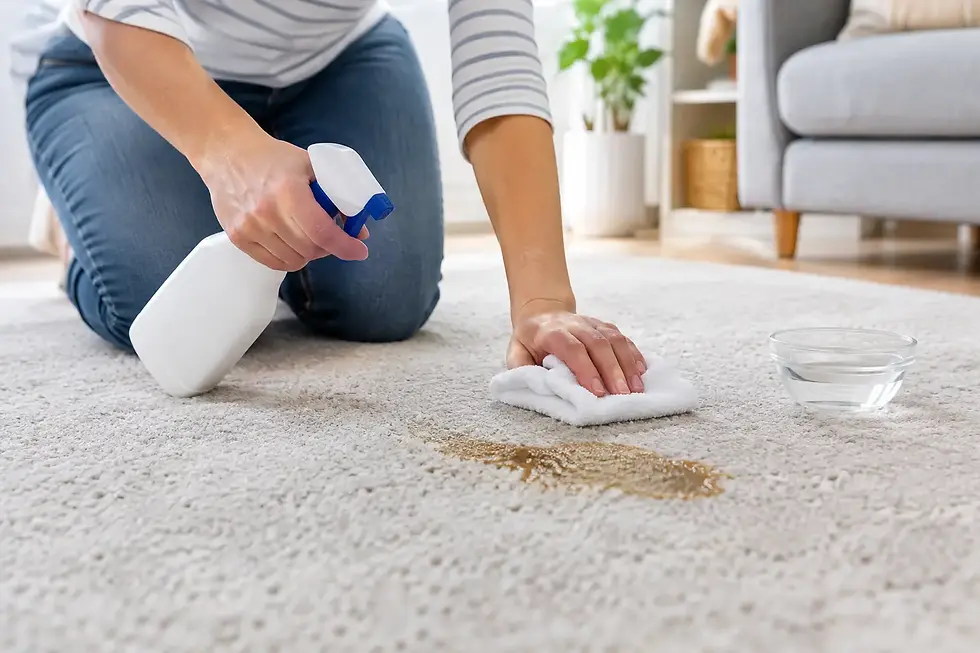
Carpet was one of the center’s biggest concerns. Children spend time close to the floor, and carpets naturally collect fine dirt, crumbs, allergens, and stains. Vacuuming remains necessary, but it cannot remove all embedded soil or restore carpet fibers once they start looking flattened and worn.
The plan called for frequent vacuuming in active areas, prompt spot treatment after spills, and professional carpet cleaning on a recurring schedule based on traffic. The busiest entry areas and classrooms required more attention than offices or low-use storage rooms. This is where a one-size-fits-all schedule can waste money or leave high-use spaces under-served.
Professional carpet cleaning also helped the center maintain a more polished appearance for tours and pickup. Clean carpet does not only look better. It helps reduce the lingering odors and dull appearance that can make a well-run facility seem less cared for than it really is.
Restrooms and entryways set the tone
Restrooms and front entrances shaped parent perception quickly. The entryway brought in moisture, dust, and debris from shoes, while restrooms needed reliable cleaning throughout the day and detailed end-of-day attention.
The revised plan included checking supplies, cleaning fixtures, addressing floors, emptying trash, and paying attention to touchpoints. Entry mats and hard floors were cleaned often enough to control tracked-in dirt before it spread into classrooms. Small details, such as clean baseboards near the entrance and streak-free glass on doors, made the center feel more welcoming.
What changed after the routine was in place
Within several weeks, the center had fewer recurring carpet spots and less visible dirt at the end of the day. Staff spent less time debating who had handled a task because responsibilities were clearer. The director also found it easier to inspect the building and address issues early rather than waiting until they became noticeable problems.
Parents may not ask whether a floor was vacuumed or a handle was disinfected, but they notice the overall condition of a facility. A fresh-smelling entry, clean restrooms, and well-kept classrooms build confidence. For a daycare, that confidence is part of the service being provided.
There was also a practical benefit for the facility. Regular attention to carpets and hard floors reduced the need for emergency stain removal and helped protect surfaces from premature wear. Scheduled cleaning is usually easier to budget for than waiting until a problem becomes urgent.
Lessons for daycare directors and property managers
The biggest lesson from this daycare cleaning case study is that cleaning should be planned around how children actually use the space. A center with mostly carpeted classrooms has different needs than one with hard flooring. A small in-home daycare may need a simpler routine than a large multi-room facility. Food preparation areas, nap rooms, playground access, and the age of the children all affect the right schedule.
A good cleaning provider should ask questions before offering a plan. How many classrooms are active each day? Which floors get the most traffic? Are there evening access restrictions? Does the center need ongoing janitorial care, carpet cleaning, or both? Clear answers prevent surprises and help create a service plan that fits the facility and budget.
For Fremont-area centers that want dependable support, Carpet and Janitorial J&J can provide professional janitorial and carpet cleaning services with careful attention to the areas families and staff use every day. A free and fast estimate makes it easier to start with the services that matter most.
A clean daycare is not about making every room look untouched. Children should be able to learn, play, create, and make normal messes. The right routine makes sure those messes are handled with care, so the next day can begin in a space that feels fresh, safe, and ready for everyone who walks through the door.


Comments