
HOA Common Area Transformation Residents Notice

A scuffed lobby floor, stained hallway carpet, or overflowing trash area can shape a resident’s opinion of the whole community before they reach their front door. A thoughtful HOA common area transformation starts by addressing those everyday details that residents, guests, and prospective buyers see most often. Clean, well-kept shared spaces send a clear message: the property is cared for, managed responsibly, and pleasant to call home.
For HOA boards and property managers, the goal is not to make every common area look brand new overnight. It is to create a practical plan that improves appearance, supports safety, and makes regular upkeep easier to manage over time.
Start an HOA Common Area Transformation With a Clear Walkthrough
The best improvements begin with an honest look at the property. Walk the community as a resident or visitor would, from the parking area and entryways to elevators, hallways, laundry rooms, clubhouses, mail areas, and outdoor gathering spaces. Visit at different times when possible. A lobby that looks fine at 9 a.m. may show spills, fingerprints, and clutter by the end of the day.
Take notes and photos of what needs attention. Look beyond obvious dirt. Worn carpet paths, dull tile, dusty vents, stained upholstery, smudged glass, neglected corners, and odors can all make an area feel poorly maintained. Also note surfaces that are difficult to keep clean because of heavy traffic, weather exposure, or the materials used.
This walkthrough helps separate immediate cleaning needs from larger maintenance or improvement projects. A deep carpet cleaning may restore a hallway’s appearance right away. Peeling paint, damaged flooring, or poor lighting may require a different budget and timeline.
Prioritize the Spaces That Affect First Impressions
Not every area needs the same level of attention. Entry points, lobbies, hallways, restrooms, and community rooms usually have the biggest impact because they are used frequently and seen by nearly everyone. These are also the spaces where grime builds up fastest.
A practical priority list considers three things: visibility, traffic, and condition. A low-traffic storage room can wait if the main entrance has stained carpet or dirty glass doors. On the other hand, safety concerns such as slippery floors, blocked walkways, or unsanitary restrooms should move to the top of the list regardless of visibility.
Cleaning Creates the Fastest Visible Change
Many HOA improvements involve capital projects, but professional cleaning is often the quickest way to improve how a property feels. Deep cleaning can refresh existing materials and may delay the cost of replacement when surfaces are structurally sound.
Carpeted hallways and community rooms are a good example. Regular vacuuming removes surface debris, but it does not fully remove tracked-in soil, spills, or residue that can leave carpets looking flat and stained. Professional carpet cleaning can lift embedded dirt, reduce odors, and restore a more even appearance. It is especially valuable before inspections, resident events, board meetings, or property tours.
Hard floors need the same attention. Tile, vinyl, and sealed concrete can look dull when cleaning methods are inconsistent or when old residue is left behind. The right service depends on the flooring type. Some surfaces need deep scrubbing, while others benefit from careful stripping, waxing, or polishing. Using the wrong product or too much water can create damage, so this is not a place to guess.
Glass doors, elevator panels, handrails, baseboards, and high-touch fixtures also deserve a consistent schedule. These details may seem small, but residents notice them. A clean entrance with streak-free glass and well-maintained floors feels more welcoming than an expensive renovation with visible grime in the corners.
Build a Maintenance Schedule Residents Can Count On
One-time cleaning delivers a boost, but it will not hold up without a realistic routine. The right schedule depends on the size of the property, the number of residents, pets, children, weather conditions, and how often amenities are used. A small, quiet building will have different needs than a busy multi-building community with a clubhouse and shared laundry facilities.
Daily or several-times-weekly attention may be appropriate for entryways, elevators, restrooms, trash areas, and other high-touch spaces. Hallways and carpeted common rooms may need frequent vacuuming with deeper service scheduled seasonally or as needed. Outdoor patios, walkways, and pool-adjacent areas need extra attention during periods of heavy use.
Consistency matters more than an overly ambitious plan that cannot be maintained. A property manager should know exactly what is being cleaned, how often it is being checked, and who is responsible for reporting damage or supply needs. When residents see the same dependable standard month after month, complaints tend to decrease and trust tends to grow.
Plan Around Community Use, Not Just Convenience
Cleaning schedules should respect residents’ routines. Loud equipment in a hallway early in the morning, a closed clubhouse during a planned event, or wet floors during peak foot traffic can create frustration even when the work is necessary.
Whenever possible, schedule larger cleaning jobs during lower-traffic periods and post clear notices in advance. Plan for drying time after carpet or floor cleaning. If a shared amenity must be temporarily unavailable, provide a specific window rather than a vague message. Good communication makes maintenance feel organized instead of disruptive.
Pair Cleaning With Smart, Practical Upgrades
An HOA common area transformation does not have to mean a full remodel. Once surfaces are thoroughly cleaned, it becomes easier to see which improvements will offer the best return. Sometimes the difference is as simple as replacing faded entry mats, updating worn furniture, improving lighting, repainting a heavily marked wall, or adding durable waste and recycling stations.
Choose materials that fit how the area is actually used. Light-colored upholstery may look appealing in a brochure, but it may not be practical in a busy clubhouse. Delicate flooring can become a long-term cost if it cannot withstand wet shoes, pets, carts, and frequent cleaning. Durable, cleanable finishes often protect the budget better than trend-driven choices.
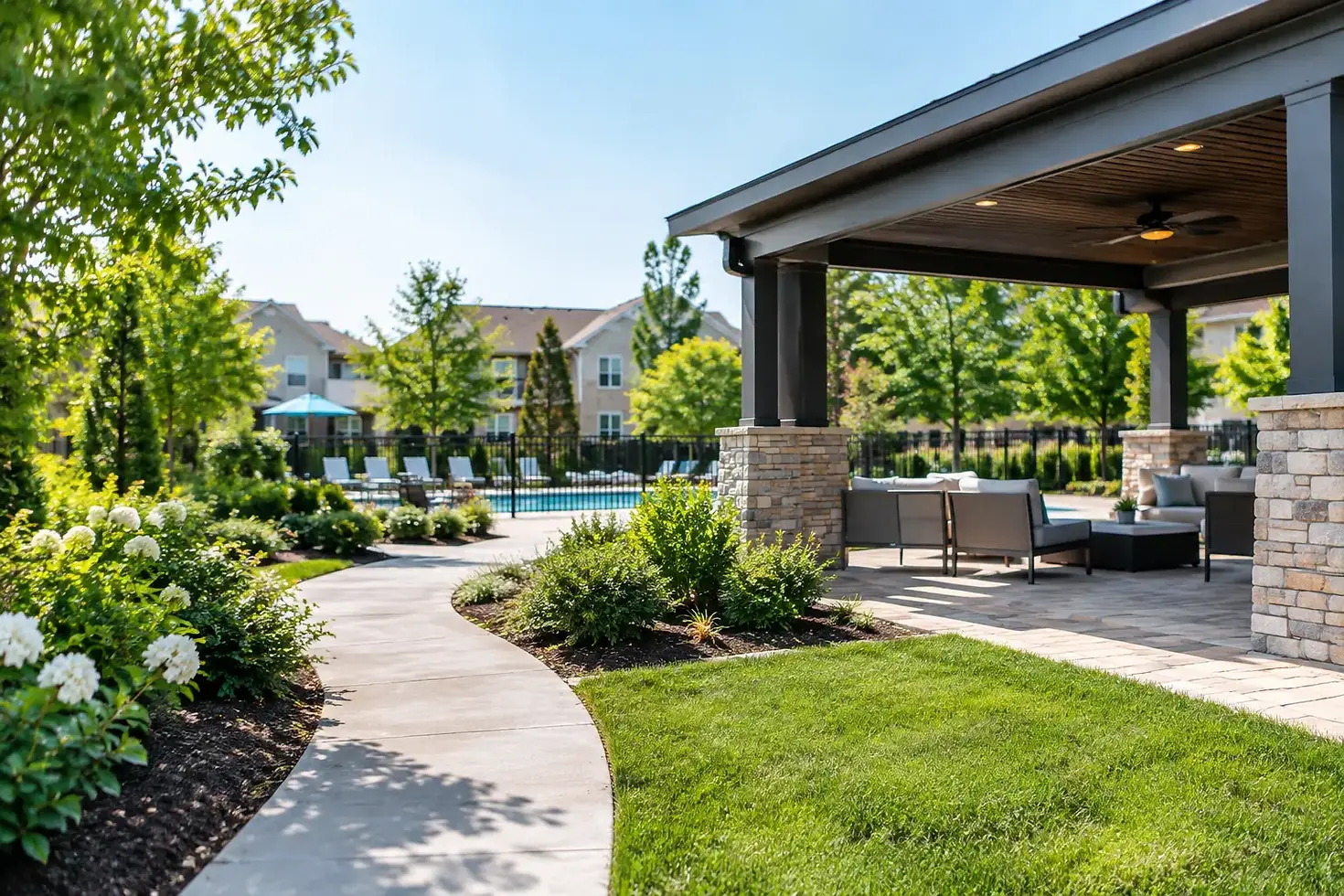
Outdoor spaces deserve the same careful planning. Pressure washing walkways, cleaning patio furniture, removing cobwebs, and keeping landscaping edges tidy can improve curb appeal quickly. In Fremont and nearby communities, dry seasons can leave dust and debris on exterior surfaces, while winter weather can make entryways and walkways harder to maintain. Seasonal cleaning plans help prevent those issues from becoming the property’s normal appearance.
Use Resident Feedback Without Letting It Drive Every Decision
Residents are often the first to spot a recurring problem, whether it is a hallway odor, a dirty elevator, or a trash enclosure that needs more attention. Make it easy for them to report concerns, then look for patterns instead of reacting to each request as a separate emergency.
At the same time, HOA boards should balance feedback with budget, safety, and operational reality. Not every preference can become a project. The useful question is whether a concern affects cleanliness, health, safety, property value, or the everyday experience of many residents. That approach keeps decisions fair and helps explain why some improvements move forward sooner than others.
Choose a Cleaning Partner Who Understands Shared Properties
Common-area cleaning requires reliability as much as skill. A provider should be able to work around residents, follow a schedule, use appropriate products for different surfaces, and communicate clearly when they find an issue that needs attention. The lowest bid is not always the best value if service is inconsistent or key details are missed.
For property managers and HOA boards, it helps to work with a local team that can provide clear expectations and responsive service. Carpet and Janitorial J&J supports residential and commercial clients with detail-focused carpet cleaning and janitorial care, making it easier to maintain the shared spaces residents use every day.
A clean space makes a real difference, especially in the places everyone shares. Start with the areas residents see first, set a schedule that can be sustained, and improve one practical detail at a time. The result is a community that feels cared for long after the first deep cleaning is complete.


Comments