

How to Maintain Office Carpets Without Disruption

Office carpet often shows the first signs of a busy workplace. A dark path from the entrance to the reception desk, coffee spots near workstations, and dust along the edges can make an otherwise well-run office feel neglected. Knowing how to maintain office carpets helps protect your flooring investment, support a cleaner indoor environment, and give employees and visitors a more professional place to work.
Carpet care does not need to interrupt the workday or become another task for your team to manage. The most effective approach is a consistent plan that combines simple daily habits with prompt spill response and scheduled professional cleaning.
Start With a Realistic Carpet Care Schedule
Every office has different traffic patterns. A small professional office with a few employees needs a different plan than a busy medical practice, property management office, retail showroom, or shared workspace. The key is to clean based on use, not just on the calendar.
High-traffic areas usually need attention every day or several times a week. These include entrances, hallways, reception areas, break rooms, conference rooms, and routes between desks. Lower-traffic offices may only need vacuuming once or twice a week, but they should not be ignored for months at a time.
A practical schedule generally includes routine vacuuming, weekly detail cleaning around edges and furniture, immediate spot treatment, and periodic deep cleaning. This layered approach keeps dry soil from working its way down into the carpet fibers, where it becomes harder to remove.
Vacuuming Is the Foundation of Office Carpet Maintenance
Vacuuming may seem basic, but it has a major effect on carpet appearance and lifespan. Dust, sand, and small debris act like abrasives under foot traffic. Over time, they wear down carpet fibers and leave traffic lanes looking dull or flattened.
Use a commercial-quality vacuum with strong suction and a filter that is maintained regularly. A vacuum with a rotating brush can lift embedded dirt from many carpet types, although looped or delicate commercial carpet may require a setting that prevents snagging. Check the carpet manufacturer's recommendations if you are unsure.
Move slowly enough for the vacuum to pick up soil rather than making one quick pass. Reception areas and entryways often benefit from several passes in different directions. Do not overlook the perimeter of the room, under accessible furniture, and corners where dust collects.
Keep Entryways From Bringing Dirt Inside
The easiest dirt to remove is the dirt that never reaches the carpet. Place durable walk-off mats both outside and inside each entrance. Exterior mats catch larger debris and moisture, while interior mats capture finer soil from shoes.
Clean those mats frequently. A dirty entry mat stops doing its job and can transfer soil back onto the surrounding carpet. During rainy periods, increase mat cleaning and consider adding temporary runners in the busiest paths. This small step can reduce staining, moisture, and wear near the front door.
Handle Spills Quickly and Carefully
Coffee, tea, soda, printer toner, food, and tracked-in mud are common office carpet problems. The longer a spill sits, the more likely it is to leave a stain or attract additional dirt. Fast action makes a real difference.
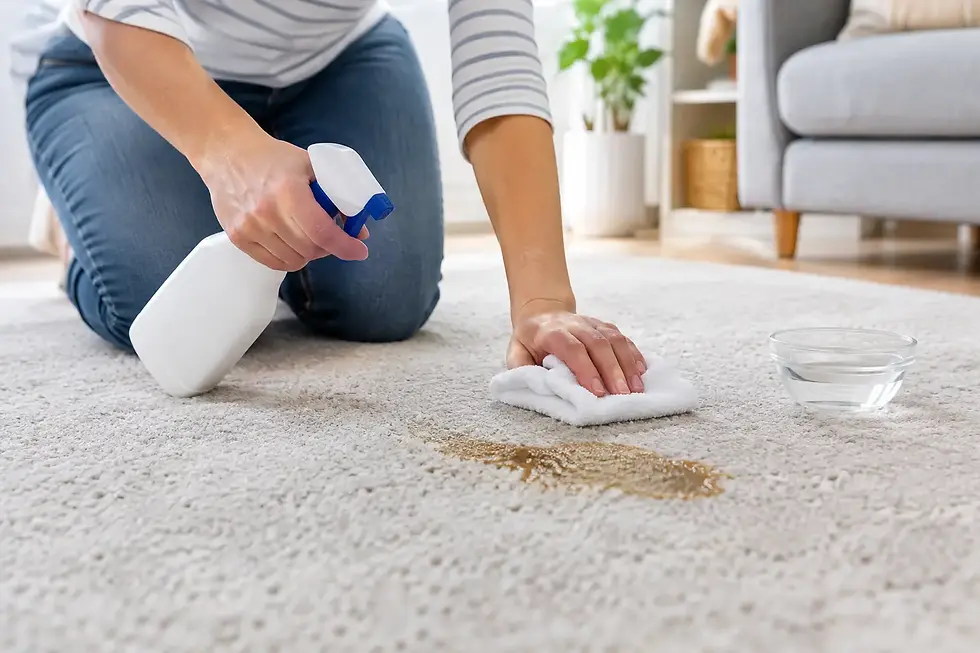
First, blot the spill with a clean white cloth or paper towel. Work from the outside edge toward the center so the stain does not spread. Avoid scrubbing. Aggressive rubbing can push the spill deeper into the fibers, damage the carpet texture, and create a larger visible area.
Use a cleaning product only when it is appropriate for the carpet and the type of spill. Test any solution in an inconspicuous area first. Too much cleaner can leave behind residue that attracts dirt, and some products can affect color or backing materials. After treating the spot, blot with clean water if needed and dry the area thoroughly.
For oily stains, ink, gum, or a large beverage spill, professional help is often the safer option. Trying several household products in sequence can turn a manageable spot into a permanent problem. Keep basic spill supplies in a clearly marked place so staff know what to use and whom to notify.
How to Maintain Office Carpets in High-Traffic Areas
Traffic lanes need more than standard vacuuming because they collect soil faster and receive constant pressure from shoes, rolling chairs, and foot traffic. If these areas are left untreated, carpet can develop dark paths and matted fibers even when the rest of the floor looks clean.
Focus extra vacuuming on entry routes, reception zones, hallways, and areas around shared printers or coffee stations. Rearrange movable furniture occasionally when practical. This changes foot traffic patterns and prevents one narrow path from receiving all the wear.
Chair mats can also protect carpet beneath office chairs, especially where employees roll back and forth all day. Choose a mat suitable for carpeted flooring, and keep it clean underneath. If dirt builds up under the mat, it can still affect the carpet over time.
In offices that welcome clients, consider the visual impact of the first few steps inside the door. Clean carpets near the entrance signal that the business pays attention to details. That impression matters whether you manage an office, a rental property, or a service-based business.
Manage Moisture and Indoor Air Quality
Carpet should never stay damp longer than necessary. Moisture from rain, spills, leaks, or improper cleaning can lead to odor, staining, and potential microbial growth. Report plumbing leaks, HVAC condensation, or wet carpet immediately so the source can be addressed.
After spot cleaning or deep cleaning, increase airflow with fans or ventilation when possible. Avoid putting furniture back onto damp carpet. Furniture legs can cause discoloration, and limited airflow slows drying.
Regular vacuuming also supports indoor air quality by removing dust and particles that settle into the carpet. While carpet can hold particles rather than allowing them to circulate immediately, it still needs consistent removal. A clean space makes a real difference for employee comfort, especially in offices with heavy daily use.
Schedule Professional Deep Cleaning Before Carpet Looks Dirty
Waiting until carpets look heavily stained usually means soil has already built up below the surface. Professional carpet cleaning removes deeper dirt, refreshes the fibers, and helps restore the appearance of high-traffic areas.
How often your office needs deep cleaning depends on several factors: the number of employees and visitors, weather, whether people bring in food or drinks, the type and color of carpet, and the level of daily vacuuming. Many offices benefit from professional cleaning every six to 12 months. High-traffic facilities may need quarterly service or targeted cleaning of traffic lanes between full cleanings.
Timing matters. Evening, weekend, or low-occupancy appointments can limit disruption, and the best cleaning method depends on your carpet type and how quickly the area needs to be back in service. Hot water extraction can provide a thorough clean, while low-moisture methods may be a better fit when fast drying is essential. A professional can recommend a method that balances cleaning results, drying time, and manufacturer guidance.
Give Your Team a Simple Reporting Process
Office carpet maintenance works best when employees know what to do after a spill or when they notice an issue. They do not need to become carpet cleaning experts. They simply need a clear process for reporting stains, leaks, odors, or damaged areas before those problems get worse.
Designate a contact person for cleaning concerns and keep a short log of recurring issues. If the same area is repeatedly stained, the solution may be as simple as moving a trash can, adding a mat, adjusting a break room setup, or scheduling more frequent cleaning in that zone.
For property managers and office administrators, documented cleaning also makes planning easier. You can track when carpets were vacuumed, spot treated, and professionally cleaned, then adjust the schedule based on what the building actually needs.
Protect the Investment With Consistent Care
Replacing commercial carpet is expensive, disruptive, and rarely convenient. Routine maintenance costs less than premature replacement and helps preserve the clean, comfortable environment your employees and clients expect.
A dependable janitorial routine handles the day-to-day details, while professional carpet cleaning provides the deeper care that regular vacuuming cannot deliver. For Fremont-area offices that need reliable support, Carpet and Janitorial J&J can help create a cleaning schedule that fits the pace of your workplace and keeps carpets looking cared for.
The goal is not perfection after every busy day. It is steady care that prevents small problems from becoming visible, costly ones - and keeps your office ready for the next employee, client, or visitor who walks through the door.


Comments