

How to Plan Recurring Housekeeping That Works

The kitchen counter is clear on Sunday night. By Wednesday, it has become the landing spot for mail, school papers, coffee cups, and everything else that needs attention later. That cycle is exactly why learning how to plan recurring housekeeping matters. A consistent plan keeps cleaning from turning into an exhausting catch-up project and helps your space stay comfortable, healthy, and ready for real life.
The best schedule is not the one that looks impressive on paper. It is the one your household, office, or property can maintain without constant stress. Some spaces need weekly attention, while others benefit more from a biweekly or monthly service. The right approach starts with your needs, not a one-size-fits-all checklist.
Start With the Areas That Affect Daily Life
Recurring housekeeping should focus first on the rooms people use most. In a home, that is usually the kitchen, bathrooms, entryway, living areas, and floors. In an office or commercial property, restrooms, break rooms, shared workspaces, entry areas, and high-touch surfaces tend to need the most frequent care.
Walk through the space at the end of a normal week. Notice what looks messy first, what gets dirty fastest, and which jobs never seem to get finished. A busy family may need frequent kitchen and bathroom cleaning, while a small office may need regular restroom sanitation and trash removal to maintain a professional appearance.
It also helps to separate cleaning from organizing. Dusting, vacuuming, mopping, disinfecting, and wiping surfaces are recurring housekeeping tasks. Sorting old paperwork, clearing packed closets, or deciding what to donate are organizing projects. Both are worthwhile, but combining them in one cleaning appointment can make the plan feel too large and difficult to keep up with.
How to Plan Recurring Housekeeping by Frequency
A reliable schedule uses different frequencies for different tasks. There is no need to deep-clean every room every week, but waiting too long on high-use areas creates more work later.
Weekly cleaning for high-traffic spaces
Weekly service works well for homes with children, pets, frequent guests, allergies, or demanding work schedules. It is also a strong fit for offices that receive customers or have employees onsite each day. Weekly visits keep visible dirt, dust, crumbs, fingerprints, and restroom buildup under control before they become noticeable problems.
A typical weekly housekeeping visit may include vacuuming and mopping floors, dusting accessible surfaces, cleaning bathrooms, wiping kitchen counters and appliance exteriors, taking out trash, and straightening common areas. The exact scope should reflect how the space is used. A home with shedding pets may place floor care at the top of the list, while a professional office may prioritize clean glass, restrooms, and reception areas.
Biweekly cleaning for steady maintenance
Biweekly housekeeping is often the practical middle ground for households that stay reasonably tidy between visits. It gives working professionals and families dependable support without requiring a weekly appointment. This schedule is also useful for smaller offices with lighter daily traffic.
The trade-off is simple: residents or staff will need to handle small tasks between cleanings. Wiping spills, loading the dishwasher, managing clutter, and taking out full trash bags prevent the space from sliding backward before the next visit. When those basics are shared, biweekly service can keep a home or workplace feeling consistently cared for.
Monthly cleaning for lower-use spaces
Monthly cleaning can work for a lightly used home, a single-person household, a vacation property, or areas that receive limited traffic. It is generally best for maintenance rather than recovery. If bathrooms, floors, or kitchens are heavily used, a monthly visit may not be enough on its own.
Property managers may also use monthly service for common areas, vacant-unit touch-ups, or scheduled detailed cleaning. The key is to be realistic about the condition of the space between visits. A less frequent plan costs less per month, but it may require a longer, more detailed appointment when the cleaning day arrives.
Define What Is Included Before Service Begins
Clear expectations are one of the best ways to avoid inconsistent results. Before scheduling recurring housekeeping, decide which rooms are included, which tasks are priorities, and whether any areas need special handling.
For example, you may want every visit to include bathroom cleaning, kitchen surface care, dusting, vacuuming, and mopping. Then you can rotate deeper tasks, such as baseboards, interior cabinet fronts, blinds, or detailed appliance cleaning. Rotating these jobs keeps the recurring visit focused while still giving the whole space attention over time.
Be specific about what matters most to you. If clean floors make the biggest difference in your home, say so. If your office needs spotless restrooms before customers arrive, make that a standing priority. A professional cleaning team can work more effectively when it understands the result you expect, not just a general request to clean.
Special materials deserve attention as well. Natural stone, hardwood floors, delicate upholstery, and certain carpet fibers may require appropriate products and methods. If your space has pets, allergies, or sensitivities to fragrances, discuss that early so the service plan supports your comfort.
Build a Simple Between-Visit Routine
Recurring service works best when daily messes are handled before they turn into bigger cleaning jobs. This does not mean spending an hour cleaning every night. A few short habits can protect the work that has already been done.
Keep it practical: wipe kitchen spills when they happen, place shoes near the entry instead of tracking dirt through the house, run the dishwasher regularly, and clear personal items from shared surfaces. In a workplace, encourage employees to clean up after using the break room and keep desks reasonably clear for scheduled service.
These habits are not about perfection. They make it easier for the cleaning team to spend appointment time on real cleaning instead of moving piles from one surface to another. They also help a clean space stay clean longer.
Schedule Seasonal and Deep-Cleaning Tasks Separately
Some jobs do not belong in every recurring housekeeping visit. Carpet cleaning, upholstery cleaning, inside-window cleaning, move-in or move-out cleaning, and detailed kitchen or bathroom cleaning are usually best planned as separate services.
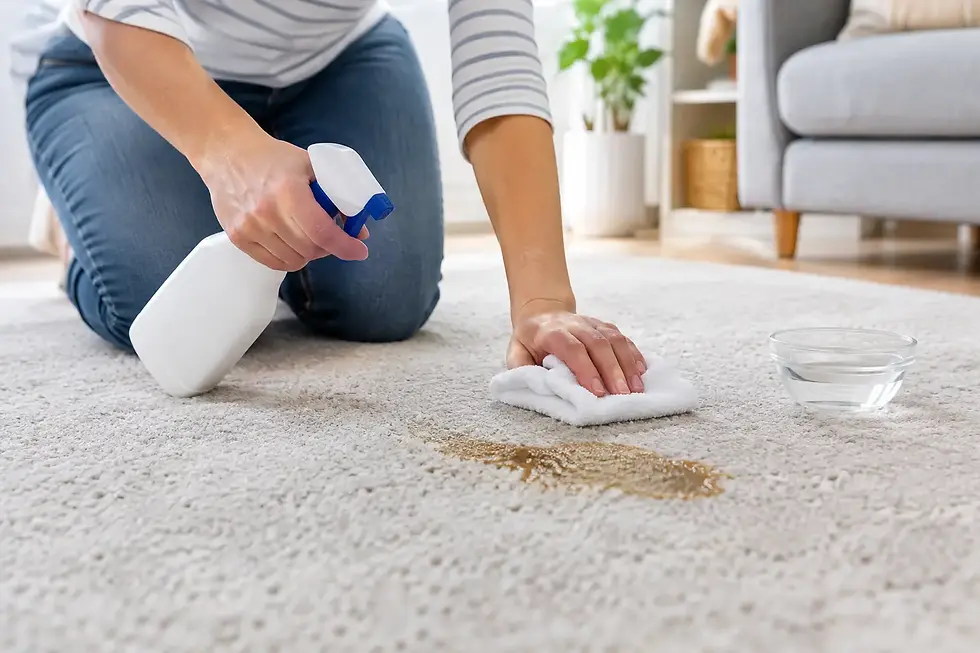
This is especially true for carpets. Regular vacuuming removes surface debris, but it does not replace professional extraction when carpets hold soil, pet dander, spills, or odors. The right timing depends on foot traffic, pets, children, and the type of carpet. Many homes benefit from professional carpet cleaning every 6 to 12 months, while busy commercial spaces may need more frequent care.
Seasonal planning can make this easier. Consider a deeper service before hosting family, after a rainy season, before moving into a new place, or when your business is preparing for a busy period. Adding these services to your calendar prevents the last-minute rush that often leads to missed details.
Make the Schedule Easy to Maintain
A cleaning plan should fit your calendar, not create another problem to manage. Choose a regular day and time when access is simple and the space can be prepared with minimal disruption. Many homeowners prefer weekday service while they are at work. Offices may choose cleaning after business hours or during lower-traffic periods.
Consistency matters. The same recurring appointment makes it easier to notice changes in your space and adjust the scope when needed. If a new pet arrives, your family schedule changes, or office traffic increases, the plan can shift from biweekly to weekly service or add a focused task.
For renters and property managers, recurring housekeeping can also help protect the condition of a property. Regular attention to floors, bathrooms, kitchens, and common areas reduces buildup that can become harder and more expensive to address later.
Choose a Cleaning Partner You Can Rely On
Recurring housekeeping is built on trust. You are inviting people into your home, workplace, or managed property, so professionalism, responsiveness, and attention to detail matter as much as the task list. Look for a local company that provides clear estimates, listens to your priorities, and can offer services that match the needs of the space.
Carpet and Janitorial J&J helps Fremont-area homeowners and businesses create cleaning schedules that feel practical, dependable, and personal. Whether you need regular house cleaning, ongoing janitorial support, or professional carpet care, the goal is the same: a visibly cleaner space without the stress of trying to do everything yourself.
A clean space makes a real difference in how you live, work, and welcome others. Start with the rooms that matter most, choose a frequency you can sustain, and give your plan enough flexibility to change as life does. A simple recurring schedule can turn cleaning from a constant chore into something you can count on.


Comments